Lead Water Line Replacement Cost

December 13, 2025

Why Consider Lead Water Line Replacement in Halifax?

In Halifax, the conversation around lead water lines has been ongoing for years, especially since Halifax Water ramped up efforts to tackle the problem. These pipes, often installed in homes built before the 1950s, can slowly release lead into your tap water as they corrode over time. This isn't something to brush off—lead is a toxic metal that accumulates in the body, and even small amounts can cause significant health issues. Have you ever tested your water? If not, it might be eye-opening, as some areas in the Halifax Regional Municipality (HRM) have shown higher lead levels in past samplings.


Replacing these lines isn't just about fixing an old plumbing issue; it's a proactive step toward better health for you and your family. In a city like Halifax, where many historic homes charm us with their character, hidden dangers like lead pipes can lurk beneath the surface. By opting for replacement, you're not only safeguarding your household but also contributing to the overall water quality in the community. Costs can seem daunting at first glance, but with local programs evolving in 2025, many residents are finding it's more affordable—or even free—than expected. We'll explore the financial side in detail, but first, let's understand the impacts driving this need.


Health and Environmental Impacts

Lead exposure is no joke, particularly in a place like Halifax where families rely on municipal water daily. For children, it can lead to developmental delays, lower IQ scores, behavioral problems, and learning disabilities that last a lifetime. Adults aren't immune either—think increased risks of high blood pressure, kidney damage, heart disease, and even reproductive issues. Pregnant women and their unborn babies are especially vulnerable, as lead can cross the placenta and affect fetal development.


Local health reports from Nova Scotia Health have highlighted these risks, noting that while levels have improved, pockets of concern remain in older districts. On the environmental front, lead from deteriorating pipes can seep into soil and waterways, impacting local ecosystems around Halifax Harbour and beyond.


During replacement, if not done properly, there's a risk of disturbing contaminated materials, which could affect groundwater or nearby wildlife. That's why professional handling is crucial, and costs often include safe disposal methods to minimize harm. In Halifax, with our coastal location, protecting the environment is key—think about how lead could affect marine life or recreational areas. By replacing lines, you're helping reduce these broader impacts, making the investment worthwhile beyond just your home.


Regulatory Requirements in Halifax and Nova Scotia

Nova Scotia aligns with Health Canada's stringent guidelines, setting the maximum acceptable concentration for lead in drinking water at 5 parts per billion (ppb) since updates in 2019. Halifax Water, our local utility, has committed to replacing all known lead service lines by 2038, accelerating efforts in high-risk areas. This isn't optional—under provincial regulations, utilities must inventory and replace lines, and homeowners might face mandates during property sales, renovations, or if tests show elevated levels. In 2025, with recent approvals for increased funding caps, compliance is more supported than ever.


Failing to address lead pipes could lead to fines, higher water bills from utility surcharges, or complications in real estate transactions. For instance, buyers increasingly demand lead-free certifications, and insurers might adjust premiums based on risks. Knowing these requirements helps you budget accordingly—perhaps scheduling a replacement before a home inspection. Halifax Water's proactive stance means many residents can get ahead without out-of-pocket expenses, but understanding the rules ensures you're not caught off guard.


The History of Lead Pipes in Halifax

Lead pipes have a long history in Halifax, dating back to the early 20th century when they were favored for their durability and ease of installation. Many homes constructed before 1950, especially in areas like the Hydrostone or downtown core, still have these lines connecting to the municipal water main. It wasn't until the 1980s that awareness of lead's health risks led to bans on new installations, but by then, thousands of service lines were already in place.


In the 2010s, testing revealed elevated lead in some Halifax water samples, prompting investigations and the launch of replacement programs. By 2017, Halifax Water introduced rebates to encourage private-side replacements, recognizing that while public lines were their responsibility, homeowner cooperation was key. Fast forward to 2019, post-Flint crisis influences, and the Get the Lead Out program expanded, aiming for full removal. Today, in 2025, with over thousands replaced, the focus is on acceleration, with costs shifting toward utility-funded models. This history shows how Halifax has evolved from reactive to proactive, making now an ideal time for action.


Average Costs for Lead Water Line Replacement in Halifax

If you're budgeting for a private replacement outside of programs, averages hover around $3,000 to $10,000 for the service line from the curb to your home. Historically, it was about $5,000 for the private side alone. But in 2025, thanks to Halifax Water's expanded initiatives, many are done at no cost to you. For internal plumbing or if you're not eligible, expect to pay based on scope—perhaps adding $1,000 to $5,000 more.

Inflation and material costs have nudged figures up slightly, but subsidies counter that. Some local contractors quote $3,500 after rebates in past years. Always get multiple quotes tailored to your HRM address, as factors like rocky soil or urban access can vary prices significantly.


Historical Averages Before Free Programs

Before the full free program rollout, homeowners typically shelled out around $5,000 for replacing their private lead service line. Launched in 2017, the initial rebate covered 25% of costs, up to $2,500, effectively reducing a $10,000 job to $7,500. By 2019, this increased to up to $5,000 in some cases, helping more residents. These rebates were crucial in encouraging participation, with total program costs estimated at $38.5 million for public and private lines.


Current Costs with Programs

As of 2025, the Get the Lead Out program offers free replacements for eligible properties, covering both public and private sides. Halifax Water has proposed increasing their per-replacement cap to $20,000 (plus tax), reflecting higher costs but still at no charge to owners. For those not in the program or needing internal work, costs align with historical figures: $4,000 to $8,000. This shift makes it accessible, with the utility absorbing expenses through rates and funding.


Factors Affecting Replacement Costs in Halifax

In Halifax, costs aren't one-size-fits-all—local geography and regulations play big roles. From the salty air accelerating corrosion to dense urban layouts, several elements can push prices up or down.


Line Length and Depth

Most service lines in Halifax are 20 to 50 feet long, but longer runs in larger properties add $50 to $100 per foot for materials and labor. Burial depth, typically 4 to 6 feet to avoid frost heave in our cold winters, can increase excavation costs by 20-30%. Rocky Atlantic soil often requires specialized equipment, further inflating bills.


Replacement Methods

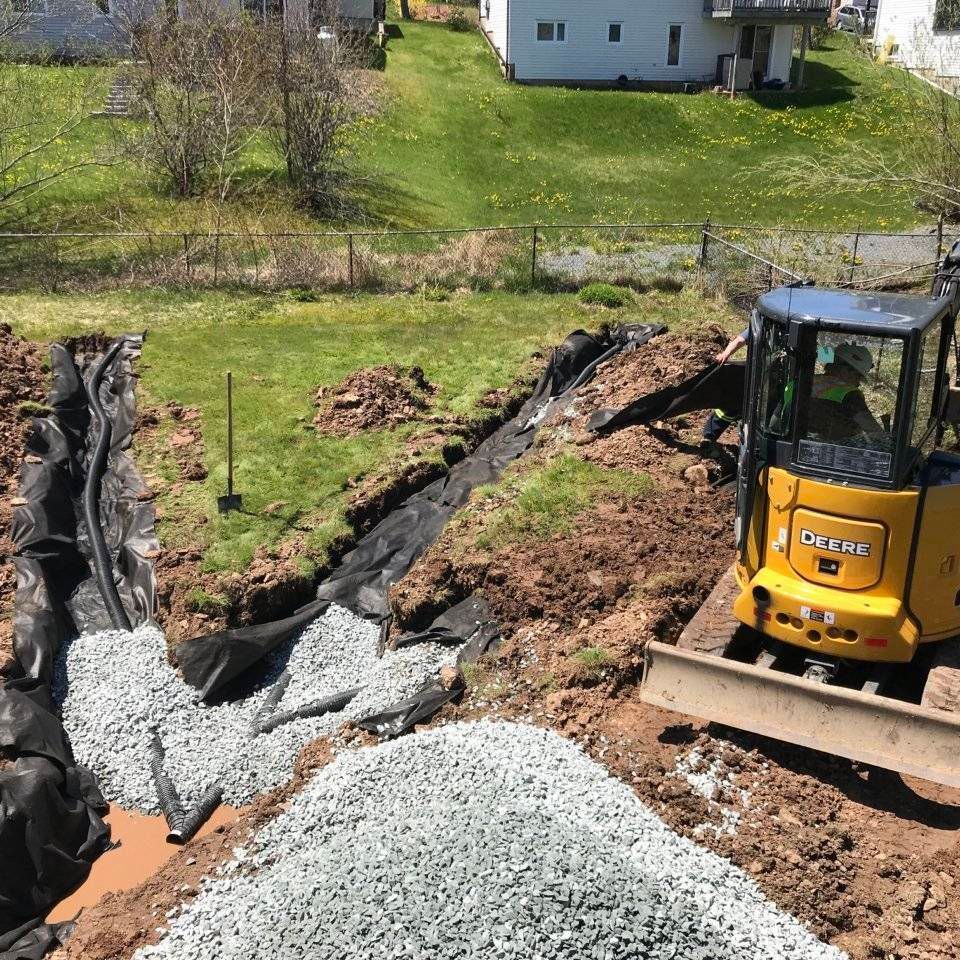
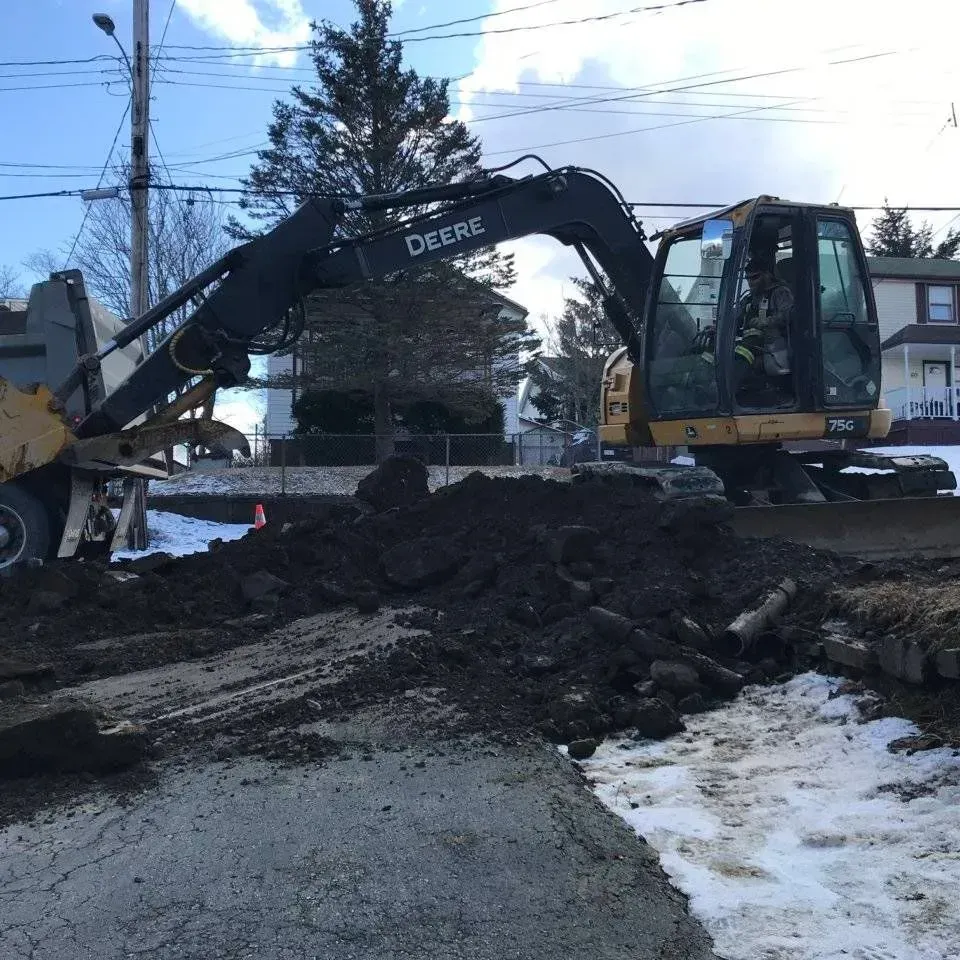
Traditional open-trench digging, costing $3,000 to $6,000, involves excavating your yard but is straightforward. Trenchless methods, like pipe pulling or bursting, range from $4,000 to $8,000 and are popular in Halifax's tight neighborhoods to minimize disruption to driveways or gardens. Choose based on your property—trenchless saves on restoration but needs suitable conditions.


Material Choices

Copper, at $2 to $5 per foot, is durable against corrosion and suits our water chemistry, but it's pricier. PEX, costing $0.50 to $2 per foot, offers flexibility for easier installs in retrofits and resists freezing. Other options like HDPE are emerging for their longevity. Materials typically make up 20-30% of the total cost, so selecting wisely based on Halifax's climate can save money long-term.


Labor and Permits

Labor rates in Nova Scotia run $60 to $120 per hour, with jobs taking 1-2 days. Permits from the HRM cost $200 to $400, including inspections to ensure code compliance. Utility locates (calling Dig Safe) are free but mandatory to avoid hitting other lines.


Additional Local Factors

Halifax's weather—think heavy rains or snow—can delay work and add costs for weatherproofing. Urban density means coordinating with neighbors or traffic control, potentially tacking on fees. High-risk areas get priority in programs, reducing costs, while remote suburbs might face travel surcharges from contractors.


Breakdown of Costs

For a clearer picture, here's a detailed breakdown for a typical private replacement without subsidies. This helps if you're going independent.


Cost Component Estimated Range Notes Outcome
Materials (pipes, fittings) $500-1,500 Depends on choice like copper or PEX Safer water, no disruption
Labor (installation) $1,000-5,000 1-2 days at local rates Yard intact with trenchless
Permits and Inspections $200-400 HRM requirements Full home upgrade
Excavation and Restoration $500-3,000 Trenchless reduces this
Water Testing (pre/post) $50-150 Essential for verification
Miscellaneous (tools, disposal) $100-500 Safety gear, waste handling
Total Average $2,350-10,550 Before any rebates or programs
This table is for illustrative purposes; actuals vary.


Government Funding and Assistance Programs in Halifax

Halifax shines when it comes to support, with programs designed to ease the financial burden.


Halifax Water's Get the Lead Out Program

This flagship program, expanded after 2019 investigations, commits to replacing all lead lines by 2038 at no cost to property owners. You apply online via Halifax Water's website, and they schedule the work, handling both sides of the property line. In 2025, with a proposed $20,000 cap per replacement, it's fully funded by the utility. Priority goes to at-risk residents, but all with confirmed lead qualify eventually. The program has already replaced thousands, valued at $14 million overall.


Other Provincial and Federal Support

Nova Scotia offers grants through provincial health initiatives, while federal influences from similar U.S. programs inspire but aren't direct. HRM provides financial assistance for home repairs, including lead-related work. The Lateral Loan program allows interest-free financing for any remaining costs post-rebates.


Rebates and Loans

Though largely superseded by free replacements, historical rebates of 25% up to $5,000 still apply in some cases for internal work. Low-income households can access additional aid through community programs.


How to Estimate Your Own Costs in Halifax

Start by confirming if you have lead pipes—Halifax Water offers free testing kits. Measure your service line length using property plans or a tape from the curb stop to your home. Check depth via utility records. Use online calculators from Halifax Water or get 3-5 quotes from licensed local plumbers. Factor in program eligibility: if qualified, costs drop to zero. Add 10-20% for contingencies like unexpected repairs. This DIY estimation can save surprises.


Ways to Reduce Replacement Costs

With smart planning, you can minimize expenses significantly in Halifax.


Utilizing Free Programs

The top way: Enroll in Get the Lead Out immediately. Check eligibility on their site—most with lead lines qualify. High-risk areas like older neighborhoods get faster service. Apply early to avoid waitlists.


DIY vs. Professional

For buried service lines, DIY is discouraged due to safety and regulations—fines could exceed savings. However, for accessible internal pipes under sinks, confident homeowners might save $500-1,000 with basic tools. Always hire pros for main lines to ensure warranties and compliance.


Shopping for Contractors

If going private, compare quotes from HRM-licensed plumbers. Look for those experienced in lead work—check reviews on Google or BBB. Bundle with other plumbing upgrades for discounts. Timing off-season (spring/fall) can lower rates.


Hidden Costs and Long-Term Savings

Don't overlook extras like temporary water shutoffs requiring bottled supplies ($50-100) or yard restoration ($200-1,000). Post-replacement flushing and testing add minor fees. On the flip side, savings include avoided health costs (potentially thousands in medical bills), reduced water filtration needs, and a 3-5% boost in home value. Efficient new pipes might lower utility bills by preventing leaks, with ROI in 5-10 years.


What to Expect During the Replacement Process

Preparation: Halifax Water notifies you, marks utilities. Day 1: Crew excavates (or uses trenchless), removes old line. Day 2: Installs new pipe, connects, tests for leaks. Post-work: Flush taps for 5-10 minutes, restore site. Disruptions are minimal—water off for hours, not days. Follow-up testing ensures safety.


Case Studies and Real Examples from Halifax

Take Brightwood residents who, after 2019 tests showing high lead, enrolled and got free replacements, saving $5,000 each. A downtown homeowner bundled internal work, paying $3,000 after rebates. City-wide, since 2020, thousands of lines replaced, reducing average lead levels significantly. These stories highlight real benefits.


Example Cost Without Program With Program Outcome
Typical North End Home $5,000 $0 Safer water, no disruption
Longer Suburban Line $10,000 $0 Yard intact with trenchless
Internal Pipes Add-On $3,000 Varies (rebate possible) Full home upgrade


Frequently Asked Questions

Here are answers to common queries from Halifax residents.


Do I Qualify for Free Replacement?

Yes, if your property has a lead service line—confirm via free testing. Apply online at Halifax Water; no income restrictions, but priority for vulnerable groups.


How Long Does It Take in Halifax?

Usually 1-2 days on-site, but scheduling can take weeks to months depending on demand. Plan ahead.


What About Internal Lead Pipes?

The program focuses on service lines; internal (inside home) costs $1,000-5,000 separately. Check for rebates.


How Can I Test My Water for Lead?

Halifax Water provides free kits—collect samples and send for analysis. Private labs charge $50-100. Test annually if concerned.


Conclusion

Navigating lead water line replacement costs in Halifax doesn't have to be stressful, especially with programs like Get the Lead Out making many free in 2025. We've covered the why, how much, factors, assistance, and more to equip you. Prioritize your health—test your water, apply for programs, or get quotes today. Contact Halifax Water at their website or 902-420-9287 for personalized advice. Safer water is within reach; take the step now.
December 16, 2025
Hey there, if you're in Halifax wondering about the cost to replace lead water lines, here's the straight scoop: many residents can get it done completely free through Halifax Water's Get the Lead Out program, which covers up to $20,000 per replacement as of 2025, making safer water accessible without dipping into your wallet. If you opt for a private contractor or face costs exceeding the cap due to complexities like long lines or retaining walls, expect averages around $10,000 to $15,000, but with a 25% rebate up to $5,000 available to ease the burden. In this guide, updated for December 2025, we'll break down everything from historical prices to current programs, factors influencing costs, and tips to minimize expenses in the Halifax Regional Municipality. Whether you're in an older home downtown or the suburbs, knowing these details can help you plan for cleaner, lead-free water. Why Consider Lead Water Line Replacement in Halifax? In Halifax, the conversation around lead water lines has been ongoing for years, especially since Halifax Water ramped up efforts to tackle the problem. These pipes, often installed in homes built before the 1950s, can slowly release lead into your tap water as they corrode over time. This isn't something to brush off—lead is a toxic metal that accumulates in the body, and even small amounts can cause significant health issues. Have you ever tested your water? If not, it might be eye-opening, as some areas in the Halifax Regional Municipality (HRM) have shown higher lead levels in past samplings. Replacing these lines isn't just about fixing an old plumbing issue; it's a proactive step toward better health for you and your family. In a city like Halifax, where many historic homes charm us with their character, hidden dangers like lead pipes can lurk beneath the surface. By opting for replacement, you're not only safeguarding your household but also contributing to the overall water quality in the community. Costs can seem daunting at first glance, but with local programs evolving in 2025, many residents are finding it's more affordable—or even free—than expected. We'll explore the financial side in detail, but first, let's understand the impacts driving this need. Health and Environmental Impacts Lead exposure is no joke, particularly in a place like Halifax where families rely on municipal water daily. For children, it can lead to developmental delays, lower IQ scores, behavioral problems, and learning disabilities that last a lifetime. Adults aren't immune either—think increased risks of high blood pressure, kidney damage, heart disease, and even reproductive issues. Pregnant women and their unborn babies are especially vulnerable, as lead can cross the placenta and affect fetal development. Local health reports from Nova Scotia Health have highlighted these risks, noting that while levels have improved, pockets of concern remain in older districts. On the environmental front, lead from deteriorating pipes can seep into soil and waterways, impacting local ecosystems around Halifax Harbour and beyond. During replacement, if not done properly, there's a risk of disturbing contaminated materials, which could affect groundwater or nearby wildlife. That's why professional handling is crucial, and costs often include safe disposal methods to minimize harm. In Halifax, with our coastal location, protecting the environment is key—think about how lead could affect marine life or recreational areas. By replacing lines, you're helping reduce these broader impacts, making the investment worthwhile beyond just your home. Regulatory Requirements in Halifax and Nova Scotia Nova Scotia aligns with Health Canada's stringent guidelines, setting the maximum acceptable concentration for lead in drinking water at 5 parts per billion (ppb) since updates in 2019. Halifax Water, our local utility, has committed to replacing all known lead service lines by 2038, accelerating efforts in high-risk areas. This isn't optional—under provincial regulations, utilities must inventory and replace lines, and homeowners might face mandates during property sales, renovations, or if tests show elevated levels. In 2025, with recent approvals for increased funding caps, compliance is more supported than ever. Failing to address lead pipes could lead to fines, higher water bills from utility surcharges, or complications in real estate transactions. For instance, buyers increasingly demand lead-free certifications, and insurers might adjust premiums based on risks. Knowing these requirements helps you budget accordingly—perhaps scheduling a replacement before a home inspection. Halifax Water's proactive stance means many residents can get ahead without out-of-pocket expenses, but understanding the rules ensures you're not caught off guard. The History of Lead Pipes in Halifax Lead pipes have a long history in Halifax, dating back to the early 20th century when they were favored for their durability and ease of installation. Many homes constructed before 1950, especially in areas like the Hydrostone or downtown core, still have these lines connecting to the municipal water main. It wasn't until the 1980s that awareness of lead's health risks led to bans on new installations, but by then, thousands of service lines were already in place. In the 2010s, testing revealed elevated lead in some Halifax water samples, prompting investigations and the launch of replacement programs. By 2017, Halifax Water introduced rebates to encourage private-side replacements, recognizing that while public lines were their responsibility, homeowner cooperation was key. Fast forward to 2019, post-Flint crisis influences, and the Get the Lead Out program expanded, aiming for full removal. Today, in 2025, with over thousands replaced, the focus is on acceleration, with costs shifting toward utility-funded models. This history shows how Halifax has evolved from reactive to proactive, making now an ideal time for action. Average Costs for Lead Water Line Replacement in Halifax If you're budgeting for a private replacement outside of programs, averages hover around $3,000 to $10,000 for the service line from the curb to your home. Historically, it was about $5,000 for the private side alone. But in 2025, thanks to Halifax Water's expanded initiatives, many are done at no cost to you. For internal plumbing or if you're not eligible, expect to pay based on scope—perhaps adding $1,000 to $5,000 more. Inflation and material costs have nudged figures up slightly, but subsidies counter that. Some local contractors quote $3,500 after rebates in past years. Always get multiple quotes tailored to your HRM address, as factors like rocky soil or urban access can vary prices significantly. Historical Averages Before Free Programs Before the full free program rollout, homeowners typically shelled out around $5,000 for replacing their private lead service line. Launched in 2017, the initial rebate covered 25% of costs, up to $2,500, effectively reducing a $10,000 job to $7,500. By 2019, this increased to up to $5,000 in some cases, helping more residents. These rebates were crucial in encouraging participation, with total program costs estimated at $38.5 million for public and private lines. Current Costs with Programs As of 2025, the Get the Lead Out program offers free replacements for eligible properties, covering both public and private sides. Halifax Water has proposed increasing their per-replacement cap to $20,000 (plus tax), reflecting higher costs but still at no charge to owners. For those not in the program or needing internal work, costs align with historical figures: $4,000 to $8,000. This shift makes it accessible, with the utility absorbing expenses through rates and funding. Factors Affecting Replacement Costs in Halifax In Halifax, costs aren't one-size-fits-all—local geography and regulations play big roles. From the salty air accelerating corrosion to dense urban layouts, several elements can push prices up or down. Line Length and Depth Most service lines in Halifax are 20 to 50 feet long, but longer runs in larger properties add $50 to $100 per foot for materials and labor. Burial depth, typically 4 to 6 feet to avoid frost heave in our cold winters, can increase excavation costs by 20-30%. Rocky Atlantic soil often requires specialized equipment, further inflating bills. Replacement Methods Traditional open-trench digging, costing $3,000 to $6,000, involves excavating your yard but is straightforward. Trenchless methods, like pipe pulling or bursting, range from $4,000 to $8,000 and are popular in Halifax's tight neighborhoods to minimize disruption to driveways or gardens. Choose based on your property—trenchless saves on restoration but needs suitable conditions. Material Choices Copper, at $2 to $5 per foot, is durable against corrosion and suits our water chemistry, but it's pricier. PEX, costing $0.50 to $2 per foot, offers flexibility for easier installs in retrofits and resists freezing. Other options like HDPE are emerging for their longevity. Materials typically make up 20-30% of the total cost, so selecting wisely based on Halifax's climate can save money long-term. Labor and Permits Labor rates in Nova Scotia run $60 to $120 per hour, with jobs taking 1-2 days. Permits from the HRM cost $200 to $400, including inspections to ensure code compliance. Utility locates (calling Dig Safe) are free but mandatory to avoid hitting other lines. Additional Local Factors Halifax's weather—think heavy rains or snow—can delay work and add costs for weatherproofing. Urban density means coordinating with neighbors or traffic control, potentially tacking on fees. High-risk areas get priority in programs, reducing costs, while remote suburbs might face travel surcharges from contractors.  Breakdown of Costs For a clearer picture, here's a detailed breakdown for a typical private replacement without subsidies. This helps if you're going independent.
December 16, 2025
Hey there, have you ever thought about the pipes delivering water to your faucets in Halifax? If your home was constructed before the 1950s, some might contain lead, which can impact water safety. Replacing lead pipes is vital for maintaining clean drinking water and safeguarding your family's health. In this extensive guide, customized for Halifax, Nova Scotia, as of December 2025, we'll explore everything from detecting the issue to finishing the replacement. With Health Canada's guidelines and Halifax Water's ongoing programs, it's an opportune moment to address this. Let's delve in and update your water system to current standards. Understanding the Dangers of Lead Pipes Lead pipes, prevalent in older Halifax residences, can release lead into drinking water via corrosion, particularly if the water is acidic or remains stagnant. Why is this a major issue? Lead is a toxic metal that accumulates in the body, leading to various health complications over time. Homes built before 1950 are especially susceptible, as lead was widely used in service lines until it was phased out. In Nova Scotia, thousands of lead service lines persist, affecting areas within the Halifax Regional Municipality (HRM). Have you examined your plumbing recently? Taking steps now can avert future problems. Corrosion is the primary cause. When water contacts lead, small particles dissolve, contaminating the supply. This isn't always apparent, but the consequences can be serious. Public awareness has increased, especially after national water quality concerns, prompting initiatives like Halifax Water's Get the Lead Out program. By grasping these dangers, you're better prepared to make decisions about your home's water infrastructure. The presence of lead in water is not just a local concern but part of a broader Canadian issue. Health Canada has set strict limits, and local utilities like Halifax Water are actively working to comply. Understanding how corrosion works—factors like water pH below 7 or high temperatures accelerating the process—helps explain why replacement is necessary. Temporary measures like flushing taps or using filters can reduce exposure, but they don't eliminate the source. Professional replacement services ensure a permanent solution, aligning with national standards for safe drinking water. Health Risks Associated with Lead Exposure Lead exposure doesn't discriminate—it impacts everyone, but children and pregnant women are particularly at risk. In children, even minimal amounts can result in developmental delays, reduced IQ levels, and behavioral difficulties. Adults might encounter high blood pressure, kidney damage, and fertility issues. Do you ever experience unexplained fatigue or aches? Lead in your water could be a contributing factor. Symptoms develop gradually: headaches, abdominal pain, and tiredness are typical. In extreme cases, it can lead to neurological damage or seizures. For pregnant women, lead transfers to the fetus, posing risks of birth defects. Health Canada emphasizes that there is no safe level of lead exposure. Replacing pipes removes this hazard, providing peace of mind. Further, studies from Nova Scotia Health highlight that chronic exposure can affect cognitive function in adults and increase the risk of cardiovascular diseases. For infants, lead can impair growth and development, making early intervention crucial. In Halifax, where older homes are common, community health reports underscore the importance of addressing this. By opting for replacement, you're not only protecting your household but contributing to overall public health in the region. How Lead Gets into Your Water Lead infiltrates water through corrosion, where the water's chemistry erodes the pipe's inner surface. Low pH or elevated temperatures hasten this, freeing lead ions into the flow. Stagnation overnight elevates concentrations, so first-draw morning water often has higher levels. Flushing the tap offers temporary relief, but it's not a lasting solution. Additional sources include lead solder in connections and brass fittings with lead content. The service line connecting your home to the main is frequently the primary culprit. Buried underground, it's challenging to inspect, but water testing uncovers the reality. Utility treatments, such as adding corrosion inhibitors, can mitigate but don't fully resolve the issue. Factors like water hardness and flow rates also influence leaching. In Halifax, local water conditions can vary, so understanding your specific setup is important for prioritization. The History and Prevalence of Lead Pipes in Halifax Lead pipes have a long history in Halifax, used from the early 1900s to the 1950s for their durability and ease of installation. Many homes in areas like the North End or downtown still have these lines. It wasn't until the 1980s that health risks led to bans on new installations, but by then, numerous service lines were in place. In the 2010s, testing revealed elevated lead in some Halifax samples, prompting investigations and the 2017 rebate program. The Get the Lead Out program expanded in 2019, aiming for complete removal by 2038. As of 2025, thousands have been replaced, with focus on acceleration. Estimates suggest about 3,500 private and 2,500 public lines remain. Why were they so widespread? Lead was cost-effective and malleable. But as health concerns mounted in the 1970s, regulations changed. This history shows Halifax's shift from reactive to proactive, making 2025 ideal for action. Prevalence is higher in older neighborhoods, but even suburbs may have them if built pre-1950. Halifax Water's inventories help identify risks, and community education campaigns raise awareness. Signs You Have Lead Pipes in Your Home Suspecting lead pipes? Many pre-1950 homes in Halifax have them, particularly in historic districts. You can check without professionals initially; simple methods work. Let's break down identification. Visual Identification Tips Go to your basement or entry point. Look for dull gray pipes with bulbous joints near valves. Lead is seamless and bends easily, unlike copper's reddish-brown or PVC's white. Scratch gently to see shiny metal. These signs are common in Halifax's older plumbing. Simple Tests You Can Do at Home Use a magnet—it won't stick to lead. Tap with a coin for a dull thud. Water test kits, available free from Halifax Water, measure levels; over 5 ppb indicates problems. If unsure, professional confirmation is next. Why Replace Your Lead Pipes Now? Health Canada's maximum of 0.005 mg/L since 2019 urges action. Halifax Water's program targets 2038, with priorities for high-risk. Benefits: safer water, increased property value, avoided health costs. Funding is available, and partial fixes can temporarily worsen contamination. Why delay when support is at hand? In 2025, with program advancements, it's efficient. Delaying could mean higher future costs or health risks. Government Programs and Funding for Lead Pipe Replacement in Halifax Government assistance programs play a critical role in making lead pipe replacement affordable and accessible for Halifax homeowners. Because replacing lead service lines can be costly, municipal and provincial funding options significantly reduce or eliminate out-of-pocket expenses, helping accelerate the removal of lead from drinking water systems across the region. Halifax Water’s Get the Lead Out Program Halifax Water’s Get the Lead Out Program is the primary initiative aimed at eliminating lead service lines throughout the municipality. The program is designed to replace all known lead water service lines by the year 2038 , with no direct cost to eligible homeowners . Under this program, Halifax Water covers both the public portion of the service line (from the water main to the property line) and the private portion (from the property line into the home). Funding is provided for replacement costs up to $20,000 per property , which is sufficient for the vast majority of residential projects. Homeowners can apply through Halifax Water’s online application system. Once approved, the replacement work is scheduled and coordinated, often alongside planned municipal street or infrastructure projects. This coordination helps reduce neighborhood disruption and speeds up overall progress. Priority for replacement is given to homes that test with elevated lead levels , as well as properties housing vulnerable populations , such as young children, pregnant individuals, or seniors. Program Background and 2025 Status The Get the Lead Out Program was launched following extensive water testing conducted after 2019, which revealed elevated lead levels in certain areas of Halifax. Since its launch, the program has expanded significantly and has already resulted in the replacement of thousands of lead service lines across the municipality. As of 2025, the program continues to receive strong municipal funding and remains a central part of Halifax Water’s long-term infrastructure plan. Ongoing investment ensures steady progress toward the 2038 lead elimination target and provides homeowners with a reliable, fully funded pathway to safer drinking water. Provincial and Additional Assistance Programs In addition to municipal support, Nova Scotia follows Health Canada’s national guidelines for lead exposure and water safety. The province offers supplementary assistance programs to help homeowners manage the cost of plumbing repairs when municipal funding does not cover the entire replacement. For privately managed replacements, homeowners may be eligible for a rebate of up to 25% of the total cost , capped at $5,000 . This rebate can significantly reduce the financial burden for households that choose or need to proceed outside of Halifax Water’s direct program. Nova Scotia also offers interest-free lateral loans , which allow homeowners to finance remaining replacement costs over time without accruing interest. These loans are particularly helpful for properties with longer service lines or complex installations that exceed standard funding limits. Alternatives to Lead Pipes When replacing lead service lines, homeowners have several safer and more durable material options to choose from. Modern plumbing materials not only eliminate lead exposure but also improve longevity, water quality, and system performance. Popular Materials for New Pipes Copper is one of the most commonly used replacement materials in Halifax. It is highly durable, naturally antimicrobial, and has a long track record of safe use. While copper tends to be more expensive than other options, its longevity and reliability make it a popular choice for permanent installations. PEX (cross-linked polyethylene) is another widely used alternative. PEX is flexible, resistant to freezing, and easier to install than rigid piping, which can reduce labor costs. Its adaptability makes it especially suitable for trenchless replacements or homes with tight access points. Stainless steel offers exceptional strength and corrosion resistance, making it a robust long-term option. However, its higher material and installation costs mean it is typically used in specialized applications rather than standard residential replacements. PVC and similar plastics are generally more affordable and lightweight, but homeowners should ensure that any plastic piping used is fully approved for potable water and certified to prevent chemical leaching. While PVC is less common for full service line replacements in Halifax, it may be used in certain approved configurations. Ultimately, the choice of material depends on budget, installation method, and long-term goals. In Halifax, copper and PEX are the most commonly selected materials due to their balance of safety, durability, and cost-effectiveness.